
Introduction
Beach photography presents a unique set of opportunities and challenges. From shifting tides to unpredictable wind, capturing natural, beautiful portraits by the coast requires both technical skill and a relaxed approach. We spoke with Michael Evans of Coastal Heirloom Studio, a Panama City Beach photographer, to get his practical advice for families and photographers alike.
What to Wear for the Best Beach Photos
One of the most common questions families have is what to wear. Evans emphasizes that clothing choices can make or break a beach portrait. "It is best to wear bright, but lighter colors for beach sessions to get a good contrast against the sand and water which will be your backdrop," he explains. For women, he recommends loose, flowing fabrics that catch the wind, adding movement and a sense of action to the image. He also advises choosing outfits you don’t mind getting wet, as some of the best shots happen at the water’s edge. For men, Evans suggests "something with bright colors and a tropical look."
Timing: The Golden Hours
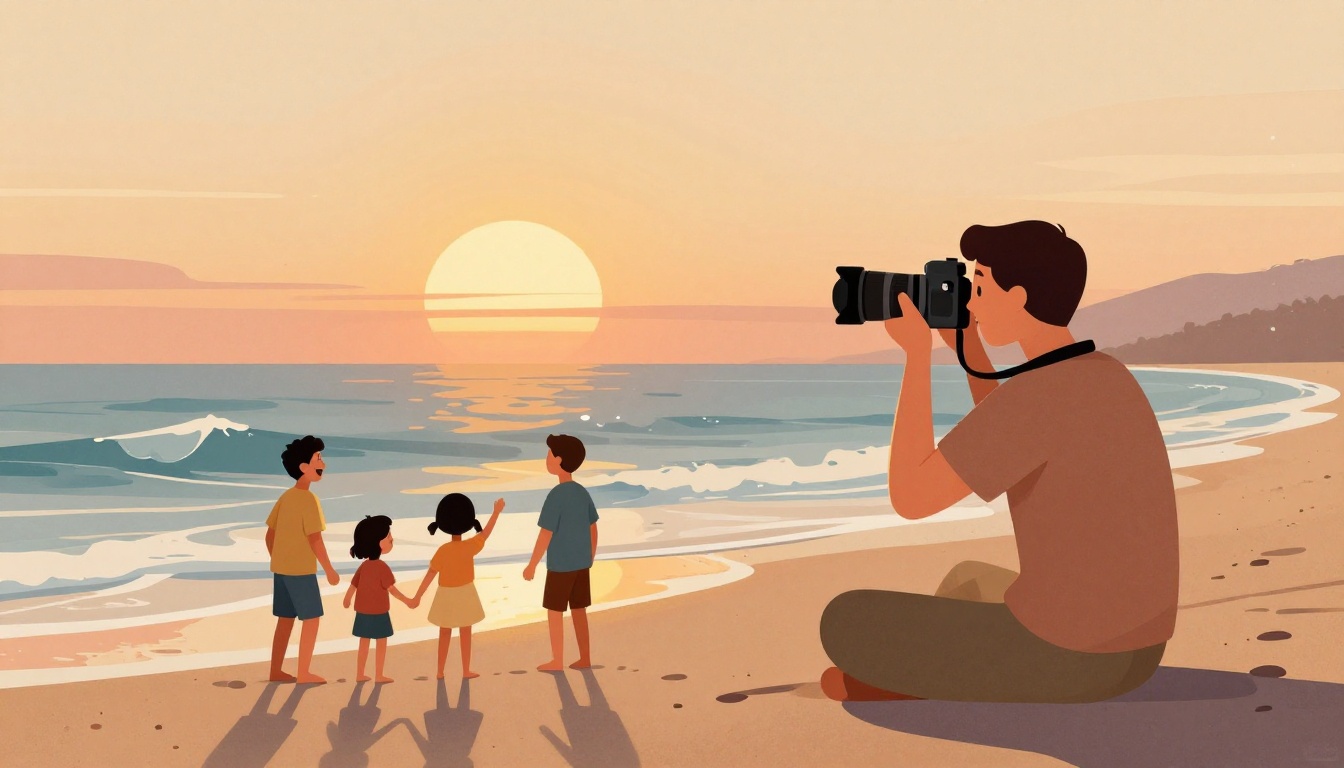
When asked about the ideal time of day for a beach shoot, Evans is clear: "I prefer either early morning or late afternoon sessions during the golden hours." This allows him to work with natural light to enhance the photos, using backfill lighting or reflectors to ensure faces are naturally lit without harsh shadows. For photographers looking to improve their coastal work, understanding golden hour photography is a foundational skill.
Working with Young Children
Photographing children on the beach can be unpredictable, but Evans has a simple strategy. "I try to bring along a couple of props that are age appropriate for the children that will be in the photo," he says. More importantly, he focuses on building rapport before the camera comes out. "It’s important to play a couple of games with them to be able to relax them and earn your trust before the shoot starts. That way I am not a stranger to them." This approach helps capture genuine, candid expressions rather than forced smiles.
A Typical Beach Portrait Session
Evans walks us through his process, which begins long before the shutter clicks. He conducts a pre-session consult to discuss locations, timing, wardrobe, and client expectations. On the day of the shoot, he arrives early to scout the location, assess lighting, and identify the best backdrops. While he includes some posed shots, his preference is for candid photography. "People acting natural normally allow me to capture the best shots," he notes. After the session, he reviews a few images with the client to understand their style preferences, and often processes a sneak peek that same evening.
What Makes Beach Photography Unique
According to Evans, beach photography offers dramatic effects that are hard to replicate elsewhere. "It’s also the place where most people feel happy and relaxed," he adds. He points out that roughly 75% of his beach clients are visitors from out of town, and Panama City Beach is their happy place. This emotional connection, combined with the dynamic coastal environment, sets beach portraits apart from studio or urban sessions. For those interested in the technical side, learning about using natural reflectors on the beach can be a game-changer.
Final Takeaways
Evans’s approach is rooted in preparation, flexibility, and a genuine love for the coastal setting. Whether you’re a photographer or a family planning a session, his advice is clear: choose light, flowing colors; shoot during golden hour; and let the beach’s natural beauty and your subjects’ authentic moments shine. For more inspiration, explore beach portrait posing guides and family photography tips.